Emergency Boiler Repair
For boilers that have stopped in cold weather, with a technician to talk through the checks.
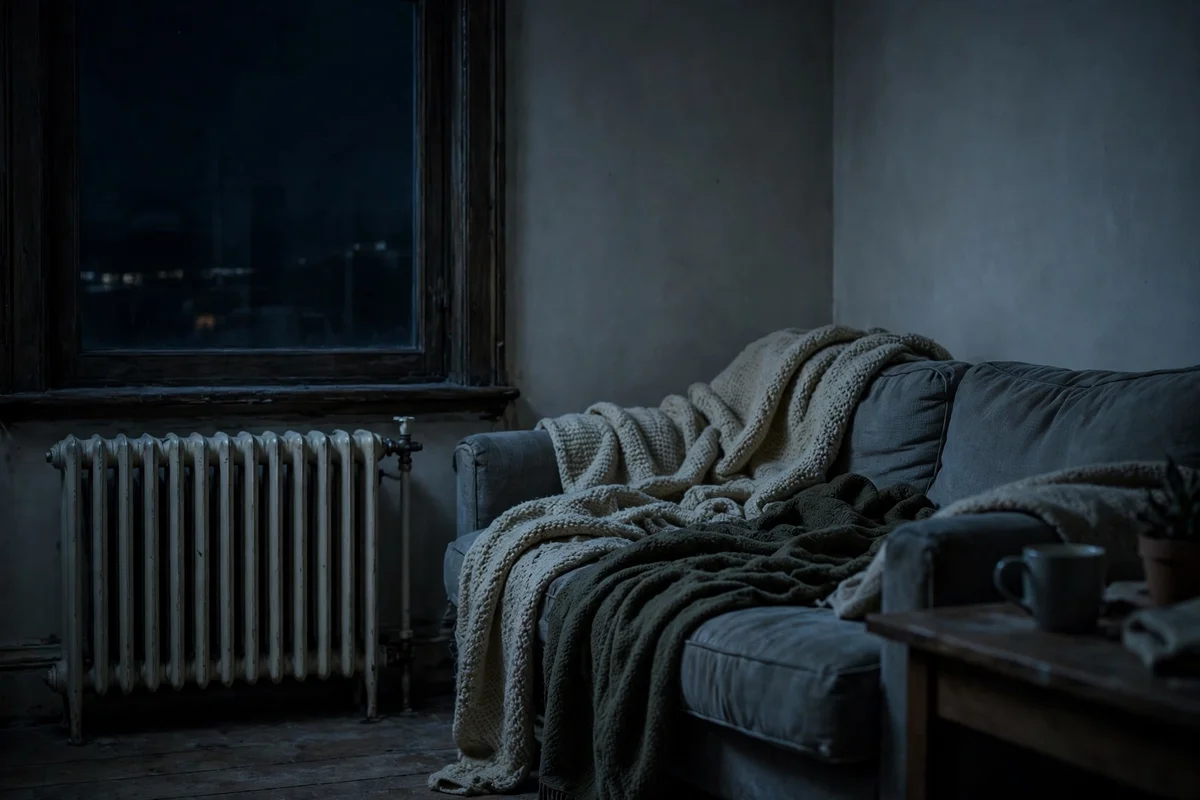
A boiler that stops in cold weather is stressful, but a calm sequence of checks keeps your home safe and often finds a simple cause.
By Boiler Guard Delaware
When a boiler stops in winter, the house starts cooling at once, and the worry is not only comfort but pipes. A calm sequence of checks can find a simple cause, such as a tripped control or low pressure, and it keeps you safe while you wait for help. This guide walks through those checks in order, covers how to protect pipes while the heat is off, and explains when to call us rather than keep trying. It is not a repair manual for opening the boiler, which should stay closed to anyone but a technician.
Preparation makes a winter failure far less frightening, and most of it costs nothing. Learn where the main water shutoff is, where the boiler switch and filling loop sit, and what the normal pressure reading looks like, before you ever need that knowledge in a cold, dark house. Show everyone in the household, and keep a torch near the boiler room door. Those few minutes of preparation turn a stressful night into a calm sequence of checks, and they protect the house while help is on its way.
Start with the obvious: power and thermostat. Check that the boiler switch is on, the thermostat is set above room temperature, and the display shows no error or lockout light. A tripped breaker, a thermostat with dead batteries, or a timer set to the wrong program can all look like a dead boiler, and each is quick to fix.
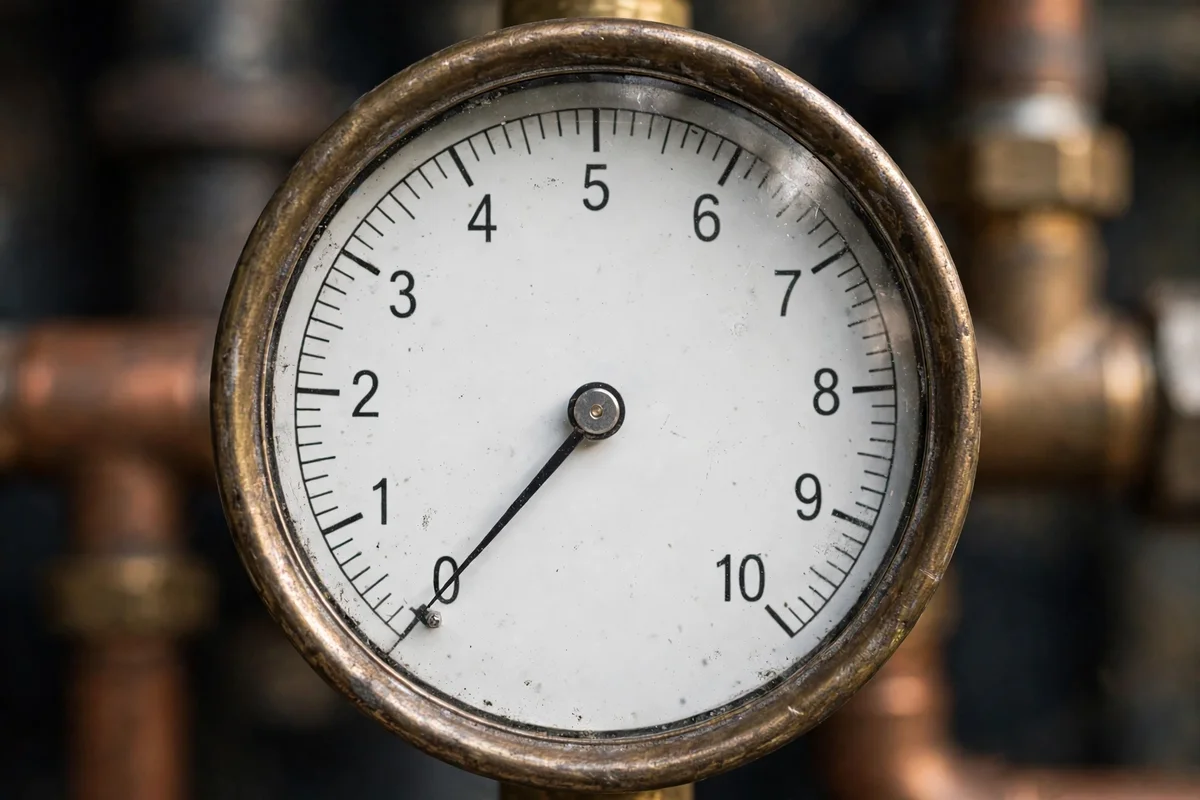
Next, check the pressure gauge if your boiler has one. Low pressure can stop a boiler, and it often follows bleeding radiators or a slow leak. Note the reading, and if it is low, top the system up through the filling loop following your boiler guide. If pressure falls again quickly, a leak is likely, and the boiler should stay off until it is found.
Try one reset if the boiler shows a lockout, and only one. Press the reset button once, wait for the startup sequence, and watch whether it fires and stays running. If it locks out again, leave it off and call us with any lights or codes on the display. Repeated resets hide faults and can damage parts.
Open cabinet doors under sinks on outside walls, so warm room air reaches the pipes. Let taps drip slightly on the coldest nights, since moving water resists ice better than still water. If you have a room that always runs cold, keep its door open so heat from the rest of the house reaches it.
Know where your main water shutoff is before you need it. If a pipe does burst, shutting the water off at once limits flooding, and opening taps drains the burst section. Keep towels and a bucket near the shutoff in winter, and show everyone in the house where it is.
Do not use ovens, grills, or portable heaters with open flames to heat the house while the boiler is off. Those heat sources can cause fires and carbon monoxide buildup, especially in a closed-up winter home. Use blankets, warm clothes, and one safe electric heater in a single room if you have one, and keep it clear of bedding.
Not sure what your system needs?
Call (302) 291-0790Call us right away if the boiler will not restart after one reset, if pressure keeps falling, if you smell gas or exhaust, or if a carbon monoxide alarm sounds. For a gas smell or an alarm, leave the house first and call from outside, without switching lights or appliances.
Call soon, even if the boiler restarts, when the failure repeats, when rooms stay cold, or when you find water near the boiler. A boiler that fails once in a cold snap often fails again, and the second failure may come on a colder night. A visit after the first failure usually finds the weak part before it strands you again.
When you call, tell us what the display shows, what the pressure gauge reads, and what you have already checked. Those three details let us judge urgency and bring the right parts. We serve homes and businesses across Delaware, and we will talk through the problem honestly, including when a fault needs a visit and when a simple check will do.
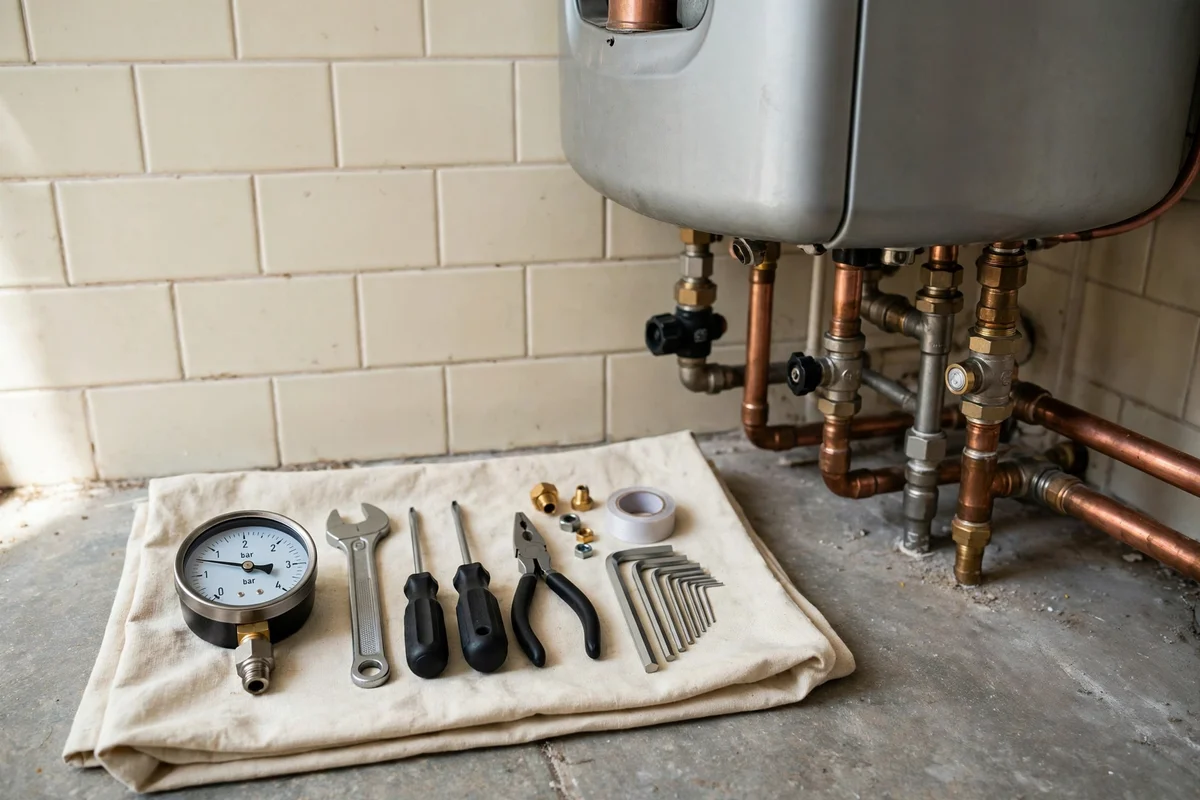
Delaware cold snaps often arrive with damp air and wind, which cool a house faster than dry cold alone. Older homes in Wilmington and Newark, with tall windows and older insulation, can lose heat quickly once the boiler stops, so pipe protection matters from the first hour, not the next day.
Coastal storms can add power cuts to the problem, and most modern boilers need electricity for controls and pumps. If the power is out, the boiler cannot run even if it is sound, so check whether neighbors have power and whether a breaker has tripped before assuming the boiler itself failed. That distinction saves a needless call and points to the real fix.
If your boiler has died and the house is cooling, do not wait for morning in the hope it restarts on its own. Run through the checks above, protect the pipes, and call us to talk it through. A short conversation can settle whether the cause is simple or serious, and a prompt visit keeps a cold house from becoming a burst pipe and a flooded floor. See also our emergency boiler repair guide for details on what that involves.
When the heat goes out on a cold night, the first steps are checks, not repairs, and they take minutes. They also give the call that follows the facts it needs: what stopped, when, and what the gauge says.
First steps, in order:
These steps lead to emergency boiler repair, and a boiler that stops every winter deserves a yearly maintenance visit before the next cold season.
| What you find | What it can point to | First check |
|---|---|---|
| Thermostat not calling for heat | Setting or power fault at the thermostat | Check the setting and the power to it |
| Boiler has no power at all | Tripped switch or supply fault | Check the switch and the supply to the unit |
| Pressure gauge sitting low | Water lost, or air bled recently | Note the reading for the call |
| Boiler locks out after one reset | Fault still present behind the lockout | Leave it off and call |
| Frozen pipe visible outside | Condensate or feed pipe iced shut | Look, note it, and do not keep resetting |
| One zone cold, rest of house warm | Zone valve or thermostat fault | Note which zone, and check its thermostat |
Pipes can freeze in a cold house, usually starting with pipes on outside walls and in unheated spaces. Opening cabinet doors, letting taps drip, and keeping one room warm all slow that process. In sustained cold, a house without heat needs attention within hours, not days, so call us early.
You can try one reset and watch whether it fires and stays running. If it locks out again, leave it off and call us with the lights or codes on the display. Repeated resets hide the fault and can damage parts, so a second lockout is a signal to stop and get help.
Only if a technician advises it, or if the house will stay without heat for a long stretch in deep cold. Draining protects pipes but leaves the system empty, and refilling needs care to restore pressure and remove air. Call us first and describe the situation, and we will advise whether draining is the right step.
Write down three facts before you call
What stopped, when it stopped, and what the pressure gauge says. Those three facts let the call move straight to the likely cause, instead of spending the first minutes on questions the house could already have answered. Note them while you stand at the boiler, not after you walk away.
Check power, thermostat setting, and the display for a lockout light, then check the pressure gauge. Try one reset if the boiler locked out, and note any lights or codes. If it will not restart, or pressure keeps falling, call us and describe what you see, since those details guide the next step.
Close off rooms you do not need, keep one room warm with a safe electric heater, use blankets and warm clothes, and open cabinet doors so room air reaches pipes. Never use ovens, grills, or open-flame heaters indoors, since they can cause fires and carbon monoxide buildup in a closed house.
Cold snaps load a boiler hard for days, and any weak part, a tired pump, a sticking valve, low pressure, or a blocked flue, shows up under that load. A system that coped in mild weather can fail in sustained cold. An autumn check finds those weak parts before winter, and a visit after a failure finds the one that gave way.
It becomes one when the house is cold, pipes are at risk, or safety is involved. A gas smell, an exhaust smell, or a carbon monoxide alarm always needs everyone out and a call from outside. A boiler that will not restart in deep cold also needs a prompt call, since pipes can freeze within hours.
Cold itself rarely damages a sound boiler, but it exposes weak parts and can freeze a condensate pipe or an outside pipe, which stops the boiler. Protecting outside pipes, keeping the house warm, and fixing small faults before winter all reduce that risk. A boiler that fails in a cold snap usually had a weak part already.
Tell us what the display shows, what the pressure gauge reads, and what you have already checked, including whether you tried a reset. Note any smells, sounds, or water near the boiler, and when the failure started. Those details let us judge urgency and bring the right parts first time.
Tell us what the display shows and what the pressure gauge reads. We will talk through the problem and arrange a visit.
For boilers that have stopped in cold weather, with a technician to talk through the checks.
The annual visit that finds weak parts before a cold snap does.
The autumn checks that keep a boiler ready for Delaware winters.
Last updated: October 26, 2026.